Why Is Full Grain Leather More Expensive Than Other Leather?

Time:2026-09-15 Author:Sienna
0%

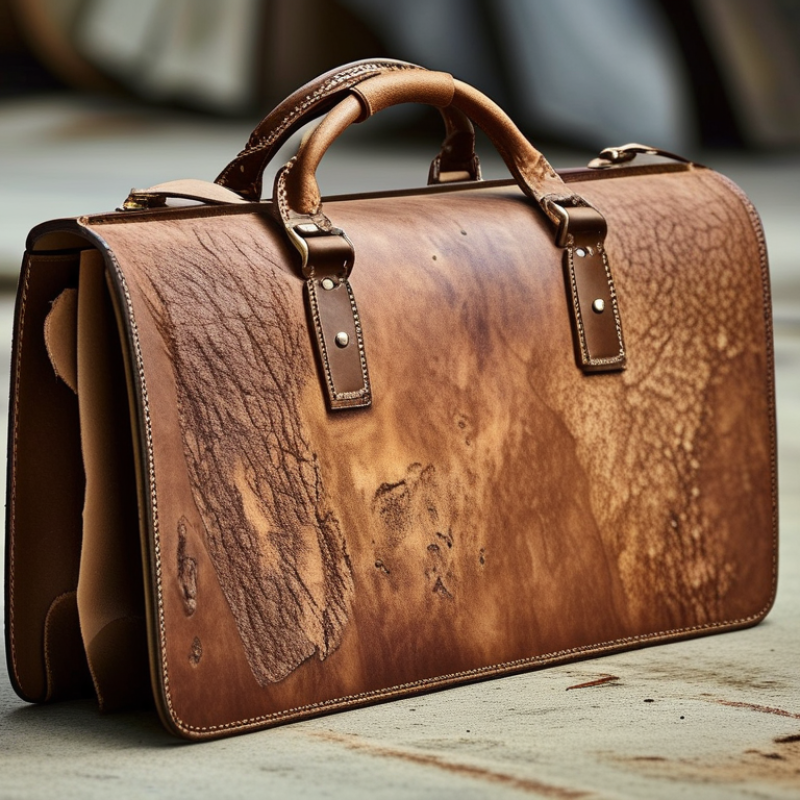
Why is full grain leather more expensive than other leathers? The answer begins with the hide’s natural surface. Full grain leather keeps the strongest outer layer, including its original grain and small scars. Manufacturers do not heavily sand or cover these marks. That means every hide looks different. It also means more careful selection is required.

Leather consultant Tony Horie explains, “The value of leather lies in preserving its natural structure, not hiding every imperfection.” This principle helps explain the price. A full grain hide may show pores, wrinkles, insect marks, or uneven color. Those details are not automatically defects. They can indicate that the surface remains relatively intact. However, appearance alone cannot prove quality. Tanning methods, animal welfare, finishing, and supplier transparency also matter.

The production process demands patience. Skilled workers inspect each hide before cutting. They must plan around scars and uneven edges. This can reduce usable material and increase waste. The leather may then develop a deeper patina as it meets sunlight, hand oils, and daily friction. Think of a briefcase corner becoming warmer and darker after years of handling.

Still, “full grain” is not a magic guarantee. Some expensive products use weak construction or poor finishing. That is where buyers should reflect. Is the leather genuinely full grain? Is the thickness consistent? Can the seller explain its tannery and care requirements? These questions support a more reliable judgment. The higher price often reflects durability, limited surface correction, skilled labor, and lower cutting efficiency. Not prestige alone.
Why Is Full Grain Leather More Expensive Than Other Leather?

What Full Grain Leather Means and How It Is Made

Full grain leather costs more because it preserves the hide’s natural outer surface. This is what full grain leather means. The grain is not heavily sanded, embossed, or covered to hide every mark. Small scars, pores, and uneven color may remain visible.

Making it requires careful selection. Workers first cure the hide, then soak, flesh, lime, and tan it. After drying, the leather receives limited finishing. FAOSTAT livestock data shows that the global supply of hides and skins reaches more than one billion pieces annually. Yet only a smaller portion offers the consistent surface demanded for premium full grain products. The Leather Working Group’s audit framework also evaluates water, energy, chemicals, waste, and traceability in tanneries. These controls can raise production costs. So can slower inspection and lower usable yield. Full grain is not automatically flawless. That matters.

Tips: Look for natural pores and varied grain. Ask whether “full grain” means minimal surface correction. Check the leather’s thickness, edge, and finish. A plastic-like coating may hide its character. The term also lacks one universal grading system, so sellers can use it loosely. This is where buyers should stay cautious. The Materials Market Report from Textile Exchange highlights growing demand for material transparency, but transparency remains uneven across supply chains. Higher price can reflect better durability and skilled processing, but it can also reflect positioning. Price alone proves little.

How Natural Hide Quality Affects Full Grain Leather’s Price

Full grain leather costs more because it preserves the hide’s natural surface. No heavy sanding removes its original grain. This surface shows fine pores, small scars, and changes in texture. These marks are not defects alone. They prove the material came from a real animal hide.

Natural hide quality strongly affects the final price. Hides with dense fibers, balanced thickness, and fewer deep scars produce stronger leather. Larger usable sections also reduce waste during cutting. Skilled workers inspect each hide by hand, checking flexibility, smell, grain consistency, and moisture response. A good hide may feel firm but not stiff. It should bend without cracking. However, quality is never perfectly uniform. Even experienced inspectors can miss hidden weak areas. That uncertainty is part of the cost.

Tips: Press the leather gently with your thumb. Full grain leather usually shows a subtle, temporary change in texture. Look closely at the surface under natural light. Tiny marks can be acceptable, while painted uniformity may suggest heavy correction. Ask about thickness, tanning methods, and the hide’s usable area. Price alone is not proof of quality. Some expensive leather has attractive finishing but weaker fibers underneath. A careful buyer should inspect both appearance and structure. Real leather can look imperfect. That is normal.

Why Full Grain Leather Requires More Skilled Processing

Why Is Full Grain Leather More Expensive Than Other Leather?

Why Full Grain Leather Requires More Skilled Processing

Full grain leather keeps the hide’s natural grain and surface structure. It does not receive heavy sanding to hide scars or insect marks. That sounds simple, but it increases processing risk. A cutter must read every wrinkle, pore, and firm area before placing a pattern.

The Food and Agriculture Organization reported global meat production above 350 million tonnes in 2022. This creates a large hide supply, but usable quality varies widely. Each hide may contain uneven thickness, healed scratches, or loose fibers. Skilled workers inspect it under strong lighting, adjust moisture levels, and trim around defects. One wrong cut can reduce the saleable area.

The Leather Working Group’s 2023/24 impact reporting evaluates tanning sites through criteria covering water, energy, chemicals, waste, and traceability. These controls add technical labor and equipment costs. Full grain production also needs careful dye penetration and drying. Excess heat can tighten the grain. Excess moisture can distort it. The process is not perfectly predictable.

Tips: Press the surface gently. Natural grain should feel firm but slightly warm, not plastic-smooth. Ask for leather-grade details and traceability records. A vague label deserves caution.

In practical inspection, two hides from the same shipment can behave differently. Experienced craftsmen still make judgment calls. That human element is costly, yet it preserves more of the original hide. Some buyers prefer flawless surfaces, while others value visible character. The distinction deserves more honest explanation.

How Durability and Aging Increase Its Long-Term Value

Full-grain leather costs more because its surface remains largely intact. It keeps the tightest natural fiber structure, including small marks from the hide. Those marks are not defects; they show limited correction during production. The Leather Working Group’s 2023 Environmental Impact Report highlights that tannery performance depends on measurable controls, including water, energy, and chemical management. Better processing adds cost before the leather reaches a workshop.

Durability changes the price calculation. A full-grain wallet may develop darker edges, soft creases, and a warmer sheen after years of handling. This aging can improve appearance instead of hiding wear. However, durability is not automatic. Poor stitching, excessive moisture, and harsh heat can shorten its life. SATRA testing guidance commonly evaluates leather through abrasion, flexing, tear strength, and color transfer tests. These tests matter, but they cannot predict every owner’s habits. That is the uncomfortable part.

Tips: Wipe dust with a dry cloth. Condition sparingly. Keep leather away from radiators and prolonged sunlight. Buy fewer items only when construction supports long use. Textile Exchange’s Materials Market Report 2024 also stresses the importance of material durability and product longevity in reducing replacement demand. Still, a high price does not guarantee better craftsmanship. Inspect edge finishing, thread tension, lining, and hardware. Patina is valuable to some people, not everyone.

How Full Grain Leather Compares with Other Leather Types

Why Is Full Grain Leather More Expensive Than Other Leather?

How Full Grain Leather Compares with Other Leather Types

Full grain leather keeps the hide’s complete natural grain. Its pores, scars, and subtle color changes remain visible. In practical terms, this surface usually develops a richer patina through handling. During material inspections, I check the grain under bright light and feel its firmness. Natural texture often signals limited surface correction. It is not flawless.

Top grain leather is also strong, but manufacturers lightly sand its surface. This creates a more uniform appearance and removes some visible marks. Corrected grain leather receives heavier sanding, embossing, or protective coating. It can look consistent, though the finish may hide useful clues about the hide. Split leather comes from lower hide layers and often needs coating for added strength. The term genuine leather only confirms that leather is present. It does not identify a specific grade.

Full grain leather costs more because suitable hides produce less usable material. Careful selection also requires more skilled cutting and finishing. Less surface correction preserves durability, but it demands patience from the buyer. Scratches may appear quickly, especially on a new surface. They can sometimes soften with handling and conditioning. Yet expensive does not mean ideal for every product. A coated corrected grain may suit a rainy commute better. I once assumed natural grain always meant superior performance. That judgment was too simple. Construction, thickness, stitching, and maintenance still matter. A careful comparison should examine all of them.

Why Is Full Grain Leather More Expensive Than Other Leather?

Full grain leather retains the hide’s original grain surface and requires less correction. This preserves more of the dense natural fiber structure, which generally improves durability, aging performance, and material value.

The chart uses a normalized industry benchmark, with full grain leather set at 100. Actual prices vary according to animal hide quality, thickness, tanning method, finish, supply, and region. Full grain, top grain, split, and bonded leather differ mainly in how much of the original hide structure is retained and how extensively the surface is processed.

FAQS

What does full grain leather mean?

It keeps the hide’s natural outer surface with limited sanding, embossing, or covering. Small scars and pores may remain visible.

How is full grain leather made?

Workers cure, soak, flesh, lime, and tan the hide. After drying, they apply limited finishing. The process requires careful inspection.

Why can full grain leather cost more?

Selection is stricter, and usable yield may be lower. Slower inspection and controlled processing also increase costs. Price alone proves little.

Should full grain leather look perfectly smooth?

Not necessarily. Natural pores, uneven color, and small marks can indicate limited correction. Perfect uniformity may suggest heavier surface treatment.

Does full grain leather always last longer?

It can be durable because its natural fiber structure remains strong. However, weak stitching, poor lining, moisture, or heat can shorten its life.

How does full grain leather age?

It may develop darker edges, soft creases, and a warmer sheen. Some people value this patina. Others prefer a newer appearance.

How should full grain leather be cared for?

Remove dust with a dry cloth. Use conditioner sparingly. Keep it away from radiators, harsh heat, and prolonged sunlight.

What should buyers inspect before purchasing?

Check the pores, thickness, edge finishing, thread tension, lining, and hardware. A plastic-like coating may hide the leather’s character.

Does a higher price prove better quality?

No. Price may reflect craftsmanship, durability, or product positioning. The term “full grain” also lacks one universal grading system.

Is full grain leather always an environmentally better choice?

Not automatically. Tanning affects water, energy, chemicals, waste, and traceability. Supply-chain information can remain incomplete. This deserves closer questioning.

Conclusion

Full grain leather is made from the strongest outer layer of an animal hide, with its natural grain left intact rather than sanded away. This preserves the hide’s original texture, markings, and fiber structure, but it also means that only high-quality hides with fewer flaws can be used. The limited supply of suitable material is one major reason why is full grain leather more expensive than other leathers. In addition, processing it requires skilled workers who must carefully clean, cut, and finish the hide without hiding its natural character.

Its higher price also reflects long-term performance. Full grain leather has dense fibers that provide excellent strength, resistance to wear, and the ability to develop a distinctive patina over time. While other leather types may be corrected, coated, or split to create a more uniform appearance and lower cost, full grain leather retains more of the hide’s original qualities. With proper care, it can remain attractive and functional for many years, making its initial expense a worthwhile investment.

Sienna

Sienna

Sienna is a skilled marketing professional with a deep expertise in our company’s core products and services. With a passion for innovation and detail, she plays a pivotal role in crafting insightful blog posts that not only highlight the unique features of our offerings but also provide valuable......