Choosing leather is not simply a matter of finding the softest surface or highest price. Each material behaves differently under pressure, moisture, sunlight, and daily handling. Full-grain leather may develop rich patina, while corrected-grain leather offers a more uniform appearance. Split leather can reduce cost, but it often needs stronger finishing. Suede feels warm and tactile, yet it marks easily.
For anyone asking, “How to choose between different types of leather materials,” practical context matters. A sofa needs different performance from a wallet, work boot, car seat, or luxury handbag. Leather educator and Leather Naturally representative Frank Boehly has said, “Leather is a natural product, and no two hides are the same.” That observation is easy to overlook. Small scars, grain changes, and color shifts can show genuine material character.
A reliable choice begins with use, not marketing language. Check the grain, thickness, backing, edge finishing, smell, and stitching. Ask whether the leather is vegetable-tanned, chrome-tanned, or finished with heavy coatings. Certifications can also support responsible sourcing, although they do not guarantee perfect quality. That part deserves caution.
My own evaluation would compare a sample after bending it several times. Does the surface crack? Does the color change attractively or look artificial? Does the backing separate? These simple tests reveal more than a polished product description. Still, no guide can remove every uncertainty. Personal taste, budget, maintenance habits, and ethical priorities remain important. The best material is rarely universal. It is the one that performs honestly in its intended setting.
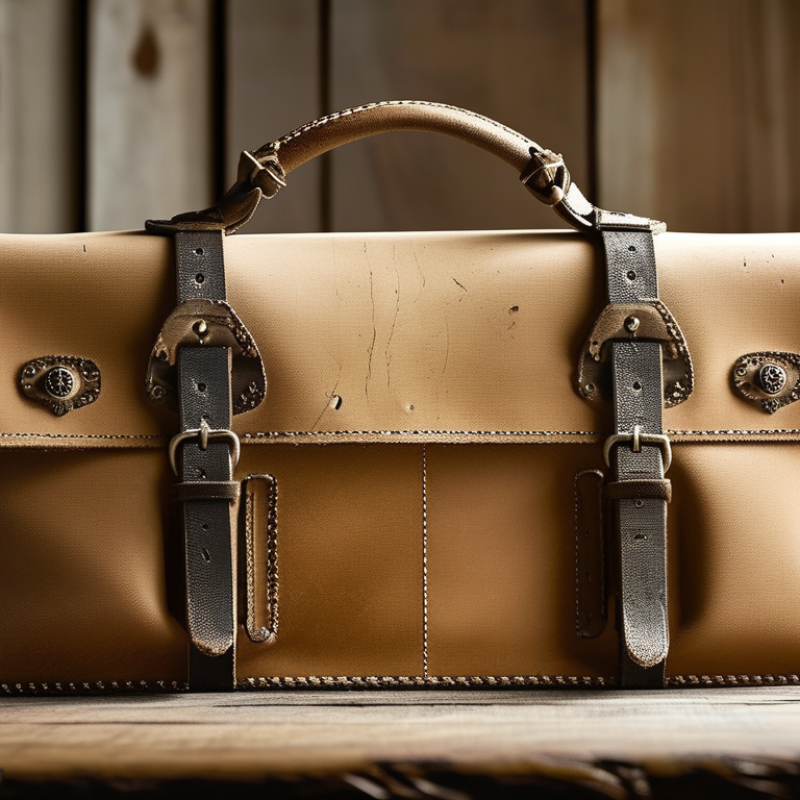
Leather begins as animal hide or skin, preserved through tanning to resist decay. According to Leather Naturally’s Leather Facts report (2023), about 1.4 billion hides and skins enter production globally each year. Most are by-products of food production, although land use, water, chemicals, and traceability still require scrutiny. This origin matters when comparing materials. Leather is not one uniform fabric.
Full-grain leather keeps the outer grain, so scars, pores, and tighter fibers remain visible. It usually develops a deeper patina, but surface marks are not proof of quality alone. Top-grain leather is lightly sanded and finished for a more even appearance. Corrected-grain leather receives heavier surface treatment, often hiding natural variation. These finishes can improve consistency, yet they may reduce breathability and tactile character.
Split leather comes from lower hide layers and often needs coating for strength and appearance. Bonded leather combines leather fibers with binders, making it a different material category. The Leather Working Group’s audit framework examines wastewater, energy, and chemical controls in tanneries. An experienced buyer should inspect the cut edge, grain pattern, finish, and smell in person. Labels can mislead. I still question claims promising perfectly uniform leather. Natural hides vary, and that variation is part of the material’s evidence.
Leather is not one uniform material. Its source and processing determine strength, softness, texture, and aging behavior. Bovine hides often provide a dense, stable surface for furniture, belts, and footwear. Sheep leather feels lighter and softer, but it may mark more easily. Goat leather offers a flexible grain with noticeable natural texture. Source matters.
Processing creates another classification. Full-grain leather keeps the outer grain and usually develops visible patina over time. Top-grain leather is lightly corrected for a more even appearance. Split leather comes from lower hide layers and often receives a coating or surface finish. Suede uses a napped surface, while nubuck is sanded on the grain side. Tanning also changes performance. Vegetable tanning can produce a firm feel and gradual color depth. Chrome tanning is generally faster and often creates softer, more flexible leather. Combination methods try to balance both qualities.
Look closely. Run your fingers across the surface and inspect the edges. A dense hide should not feel papery or overly plastic. Small wrinkles can indicate natural grain, not necessarily poor quality. However, terminology varies between suppliers, and labels are not always precise. I would request the animal source, hide layer, tanning method, and finish in writing. That record improves comparison, although it cannot predict every crease, stain, or color change. Leather ages unevenly. That is part of its character, but not always its advantage.
Different leather materials behave differently under pressure, moisture, and daily friction. Full-grain leather keeps its natural surface, so it usually develops deeper character over time. It can feel firm at first. Top-grain leather is lightly corrected and often feels smoother, with more consistent coloring. Corrected-grain leather may resist stains well, but heavy surface finishes can reduce breathability. Split leather is softer and more affordable, yet its fibers are less dense. Suede offers a warm, velvety touch, though its raised surface can show water marks quickly.
Tips: Check the leather edge and backing. A clean, fibrous edge often reveals more than a glossy label. Press the surface with one finger. Quality leather should flex without cracking or feeling plasticky. Keep a small water test cautious, because finishes react differently.
In practical testing, I compare bend recovery, seam stress, and surface wear after repeated handling. Full-grain leather often performs strongly on belts and work bags, while softer split leather suits lightweight panels. Suede can work beautifully on interiors, but dusty environments demand more brushing. Moisture is complicated. Some finished leathers wipe clean, while untreated surfaces absorb droplets within seconds. I once judged softness as quality and was wrong; the material stretched too easily around a loaded handle. Construction matters as much as leather type. Thin leather with reinforced stitching may outperform thicker leather with weak edges.
| Leather Material | Surface Structure | Durability (1–5) |
Breathability (1–5) |
Water Resistance (1–5) |
Patina Potential (1–5) |
Maintenance Level |
Relative Cost | Typical Applications |
|---|---|---|---|---|---|---|---|---|
| Full-Grain Leather | Entire grain surface retained; minimal correction | 5 | 5 | 3 | 5 | Medium | High | Premium footwear, belts, bags, furniture, saddlery |
| Top-Grain Leather | Top grain lightly sanded or corrected | 4 | 4 | 3 | 4 | Medium | Medium–High | Handbags, wallets, shoes, upholstery, accessories |
| Corrected-Grain Leather | Surface buffed and embossed for uniformity | 3 | 2 | 4 | 2 | Low–Medium | Medium | Uniform upholstery, shoes, bags, automotive interiors |
| Split Leather | Lower fibrous layer beneath the grain split | 2–3 | 3 | 2 | 2 | Medium | Low–Medium | Linings, lightweight goods, coated leather, budget upholstery |
| Suede Leather | Napped surface, usually from split or flesh side | 2–3 | 4 | 1–2 | 2 | High | Medium | Shoes, jackets, gloves, bags, soft furnishings |
| Nubuck Leather | Lightly sanded outer grain with fine nap | 4 | 4 | 2 | 3 | High | Medium–High | Outdoor footwear, casual shoes, bags, furniture |
| Bonded Leather | Leather fibers bonded with binders and surface coating | 1–2 | 1 | 3 | 1 | Low | Low | Decorative panels, low-cost accessories, occasional-use furniture |
| Synthetic PU Leather | Polyurethane coating on a textile or microfiber backing | 2–3 | 1–2 | 4 | 1 | Low | Low–Medium | Fashion goods, upholstery, automotive trim, easy-clean applications |
Why Choose Different Types of Leather Materials?
How to Match Leather Types With Specific Uses
Leather performs differently because its grain, finish, thickness, and tanning method affect durability. Full-grain leather keeps the natural surface and develops visible character over time. I often choose it for belts, work bags, and furniture exposed to daily friction. It can feel stiff at first. That is not always a defect.
Top-grain leather has a smoother surface after light correction. It suits handbags, office chairs, and jackets needing a cleaner appearance. Corrected-grain leather works well for affordable seating and accessories. Its finish hides marks, but heavy abrasion may reveal damage faster. Split leather and suede offer a soft, textured feel. They fit casual footwear, linings, and decorative panels, especially when moisture exposure is limited. Vegetable-tanned leather is firm and ages noticeably. Chrome-tanned leather is usually softer, more flexible, and better suited to garments.
Tips: Match thickness to stress, not appearance. Test a sample for color transfer, bending, odor, and water response. Check the supplier’s material records and care guidance. For outdoor furniture, choose a protected finish and inspect stitching too. In my experience, leather labeled “premium” can still disappoint when its use is unclear. I once selected a beautiful soft hide for a heavily used bag. It stretched more than expected. A small trial piece would have prevented that mistake.
When choosing leather, start with use, not appearance. A handbag carried daily needs abrasion resistance and stable structure. A sofa needs softness, cleanability, and consistent grain. Footwear may require flexibility around the toe and stronger leather near the heel. I once treated thickness as quality. That was too simple.
Leather Naturally reports that more than 1.4 billion hides and skins enter global supply chains each year. This scale makes traceability important. Ask where the hide came from, how it was tanned, and whether the tannery provides audit evidence. Chrome-tanned leather usually offers efficient production and strong color consistency. Vegetable-tanned leather can develop a distinctive patina, but it may show water marks more easily. “Natural” does not automatically mean better.
Performance data also matters. Textile Exchange’s Materials Market Report 2024 records global fiber production at 124 million tonnes in 2023. That figure highlights the wider material system’s pressure on resources, even though leather is not counted as a textile fiber. Compare material weight, expected service life, repairability, and finishing chemicals. Full-grain leather can age well, while corrected grain may provide a more uniform surface. Yet finishing can hide weak selection. Touch the sample. Bend it. Check the reverse side. A low price may reflect lower durability, but price alone proves little. Availability, maintenance habits, certification quality, and the product’s actual lifespan should guide the final choice.
: Leather comes from animal hide or skin preserved through tanning. Most hides are by-products of food production.
Full-grain leather keeps the outer grain. Scars, pores, and natural variation remain visible. It often develops a deeper patina.
Usually, yes. Light sanding creates a smoother appearance and steadier color. However, it may lose some natural texture.
Corrected-grain leather receives heavier surface treatment. This can hide marks and improve stain resistance, but breathability may decrease.
Split leather comes from lower hide layers. It feels soft and costs less, but its fibers are less dense. Coatings often add strength.
Bonded leather combines leather fibers with binders. It belongs to a different material category from full-grain or top-grain leather.
Inspect the cut edge, backing, grain pattern, and smell. Press one finger into the surface. Good leather should flex without cracking.
No. Finished leather may wipe clean, while untreated leather can absorb droplets within seconds. Test cautiously.
Full-grain leather often handles repeated pressure well. It may feel firm at first. Strong construction still matters more than thickness alone.
No. I once mistook softness for quality. The material stretched too easily around a loaded handle. My judgment was incomplete.
Leather is a natural material made by treating animal hides to improve durability, flexibility, and resistance to wear. Its main differences come from the source of the hide and the way it is processed, including surface finishing, thickness, texture, and protective treatments. Common types can vary greatly in softness, strength, breathability, appearance, and aging behavior. Some develop a distinctive patina over time, while others are designed to maintain a more consistent surface and require less maintenance.
How to choose between different types of leather materials depends on the intended use, expected durability, appearance, comfort, maintenance needs, and budget. Soft leather may be suitable for items that require flexibility, while thicker or more heavily finished materials can offer greater protection in demanding conditions. Buyers should also consider ethical sourcing, manufacturing quality, environmental impact, and whether the material’s texture and performance match the product’s purpose. Understanding these factors makes it easier to select leather that balances function, style, longevity, and care requirements.

Minyan Bag