How to Tell If a Leather Bag Is Real or Fake?

Time:2026-05-28 Author:Madeline
0%

Determining the authenticity of a leather bag can be challenging. With the rise of counterfeits, it’s essential to know how to tell if a leather bag is genuine or fake. Industry expert Rebecca Smith emphasizes, “The tactile experience of high-quality leather is unmatched.”

Real leather has specific characteristics that set it apart. The texture, smell, and weight can reveal much. Genuine leather feels soft yet sturdy, while fake leather often lacks depth. Examine the stitching; it should be even and tight. Authentic bags usually have a unique scent that synthetic materials cannot replicate.

Pay attention to branding details and tags, as they speak volumes about authenticity. While some replicas may trick the eye, the feel and finish often expose the truth. Yet, with evolving techniques, even experienced eyes can miss details. It’s a continuous learning process, reminding us to approach each bag with curiosity and care.
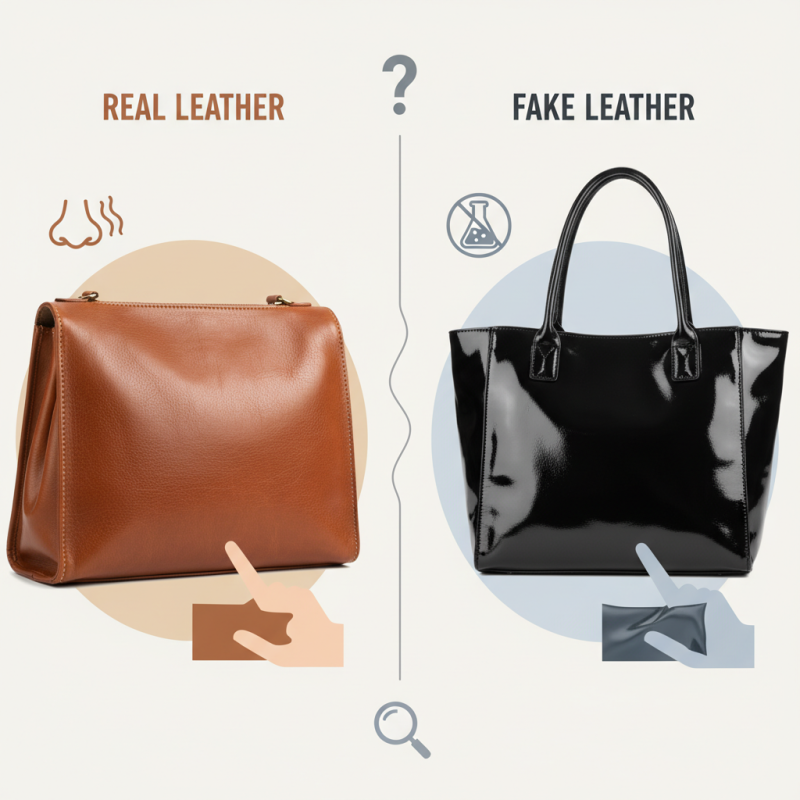
How to Tell If a Leather Bag Is Real or Fake?

Understanding Different Types of Leather Used in Bags

When choosing a leather bag, understanding the types of leather is key. There are several varieties, each with distinct characteristics. Full-grain leather stands out for its durability. It retains the natural texture and imperfections. This type ages beautifully. You may notice slight scars or wrinkles. That’s a sign of authenticity.

Top-grain leather is slightly more processed. It has a softer feel but lacks some durability. This leather is often used for high-quality bags. Suede, on the other hand, offers a unique texture. Its softness catches attention but can be less practical. It’s sensitive to moisture and stains, making care essential.

Consider how these types fit your lifestyle and needs. Not all leather is created equal. Fake leather often imitates the look but lacks depth. A genuine leather bag, with its unique markings, tells a story. However, even genuine leather requires maintenance and care. Reflect on what compromises you’re willing to make for style versus longevity.

Identifying Authentic Leather Grain Patterns and Texture

When examining a leather bag, authentic grain patterns and texture are key indicators of quality. Real leather has distinct grain variations. These patterns are typically irregular and unique. On the other hand, fake leather often features a flawless, uniform surface. This is usually a red flag.

Pay attention to the feel of the leather. Genuine leather is soft and supple to the touch. It should also have a slight sheen that comes from the natural oils within the hide. Fake leather often feels plastic. You might notice it is stiff or overly shiny.

**Tips:** Check for imperfections in the grain. Authentic leather will have natural scars or marks. These slight flaws add character. Look closely at the stitching as well. Real leather products often feature tight, even stitches. Loose threads may indicate a counterfeit. Don't rush; take your time to analyze.

Examining the Smell and Feel of Genuine Leather

When searching for a genuine leather bag, the smell and feel are crucial indicators. Real leather has a distinctive scent that is rich and warm. It doesn’t smell like plastic or chemicals. In fact, many describe it as earthy. If a bag has an overpowering synthetic odor, it's likely fake.

The texture is also a vital clue. Genuine leather feels soft and supple. It has a natural grain with variations and imperfections. Fake leather often feels shiny and overly smooth. Run your fingers over the surface. If it feels excessively cool to the touch, you may be dealing with synthetic materials.

Pay attention to how the bag ages. Real leather develops a patina over time, enhancing its beauty and character. If a bag looks the same after months of use, it could be a sign it's not authentic. Look for these sensory qualities when making a purchase. They can guide you to a more informed decision.

Checking for Quality Stitching and Hardware in Leather Bags

When assessing the authenticity of a leather bag, quality stitching and hardware are crucial indicators. Authentic leather bags often feature precise stitching, consistently spaced and aligned. Inspect the seams for any loose threads or irregular patterns; these are common in fake products. Each stitch should appear strong and durable. If the stitching is uneven or breaks easily, it may signal a counterfeit bag.

The hardware used in a leather bag also speaks volumes about its quality. Genuine bags usually have heavy, solid zippers and clasps. They shouldn’t feel flimsy or cheap. Take a close look at the metal fittings; authentic bags typically use brass or stainless steel, which possess a certain weight. If the hardware looks painted or has a plastic-like finish, it’s a red flag for fakes.

Tips for ensuring authenticity include checking details closely. Use a magnifying glass for a closer look at stitching. Pay attention to the weight of the bag; real leather is heavier than synthetic alternatives. Don’t rush the assessment; take your time to evaluate every aspect. Remember, even experienced buyers can overlook flaws. Always keep an eye out for details that might seem minor but indicate the overall craftsmanship of the bag.

How to Tell If a Leather Bag Is Real or Fake? - Checking for Quality Stitching and Hardware in Leather Bags

Feature Real Leather Fake Leather
Smell Rich, natural smell Chemical or plastic smell
Texture Soft and supple Smooth and synthetic feel
Stitching Even and consistent Uneven or loose
Holes Natural scars or imperfections Uniform and flawless
Weight Heavier due to density Lighter due to synthetic materials
Hardware Quality Sturdy metal hardware Plastic or flimsy hardware

Looking for Brand Labels and Authenticity Marks on the Bag

When assessing the authenticity of a leather bag, examining brand labels and authenticity marks is essential. Recognizing these details can help you determine if a bag is genuine. Authentic brands often include labels that feature clear and precise logos. Pay attention to the stitching around these labels. Uneven or inconsistent stitching may indicate a counterfeit product.

Authenticity marks may also be found inside the bag. High-quality leather bags often have a unique serial number embossed on a tag. This number can sometimes be traced back to the manufacturer. Look for a well-crafted lining as well. If it feels cheap or wears easily, it could be a red flag.

While brand labels are important, the overall craftsmanship matters too. Take note of the texture and smell of the leather. Genuine leather has a rich aroma and a distinct texture. Fake leather often feels plastic and lacks depth. Remember that some fakes can appear convincing at first glance. Staying vigilant and informed is key.

FAQS

: How can I identify genuine leather?

: Look for unique, irregular grain patterns. Authentic leather has distinct variations.

What should real leather feel like?

Genuine leather is soft, supple, and has a slight sheen. It should not feel plastic.

Are imperfections in leather a bad sign?

No, natural scars and marks add character to authentic leather.

How does the stitching reveal quality?

Authentic leather bags have tight, even stitches. Loose threads may suggest a counterfeit.

What should I check about the hardware?

Look for heavy, solid zippers and clasps. If they feel flimsy, it's likely fake.

Is the weight of the bag important?

Yes, real leather is heavier than synthetic types. Weight can indicate authenticity.

How meticulous should I be during inspection?

Take your time. Rushing can lead to missing small but crucial details.

Can experienced buyers make mistakes?

Yes, even experts can overlook flaws. Always stay vigilant during your assessment.

What tools can help check the bag closely?

A magnifying glass can help inspect stitching and hardware details more effectively.

Why should I care about craftsmanship?

Good craftsmanship reflects overall quality. Minor details can make a big difference.

Conclusion

When considering how to tell if a leather bag is genuine or fake, it’s essential to understand the different types of leather commonly used in bags. Authentic leather typically displays unique grain patterns and textures that vary naturally, while synthetic alternatives may lack this distinction. Additionally, the smell and feel of genuine leather—often described as earthy and rich—can further assist in identification.

Moreover, examining the quality of stitching and hardware is crucial; genuine leather bags are usually well-constructed, with neat seams and durable hardware. Lastly, checking for brand labels and authenticity marks can provide further verification of a bag's legitimacy. By focusing on these key aspects, you can confidently determine the authenticity of a leather bag.

Madeline

Madeline

Madeline is a dedicated marketing professional with a wealth of expertise in our company's core offerings. With a keen understanding of the industry, she brings a unique perspective to her role, consistently delivering high-quality content that highlights the superior aspects of our products. As......