When choosing a bag, many people wonder: "What is the difference between genuine and faux leather bags?" Understanding this distinction can significantly influence your buying decision. Genuine leather is derived from animal hides, offering durability and a unique texture. In contrast, faux leather is synthetic, often made from polyvinyl chloride or polyurethane. This difference in origin can affect appearance, feel, and longevity.
It's essential to consider how these materials are processed. Genuine leather often develops a patina over time, enhancing its beauty. Faux leather, while affordable and easy to clean, may not age as gracefully. Each material has its pros and cons. For instance, genuine leather can be more expensive, while faux leather offers a cruelty-free option. Selecting the right one can be challenging.
By examining the top differences, you’ll gain insights into quality, price, and style. This knowledge empowers you to make an informed choice that aligns with your lifestyle and values. It's not just about aesthetics; it's about making a thoughtful investment in your accessory collection.
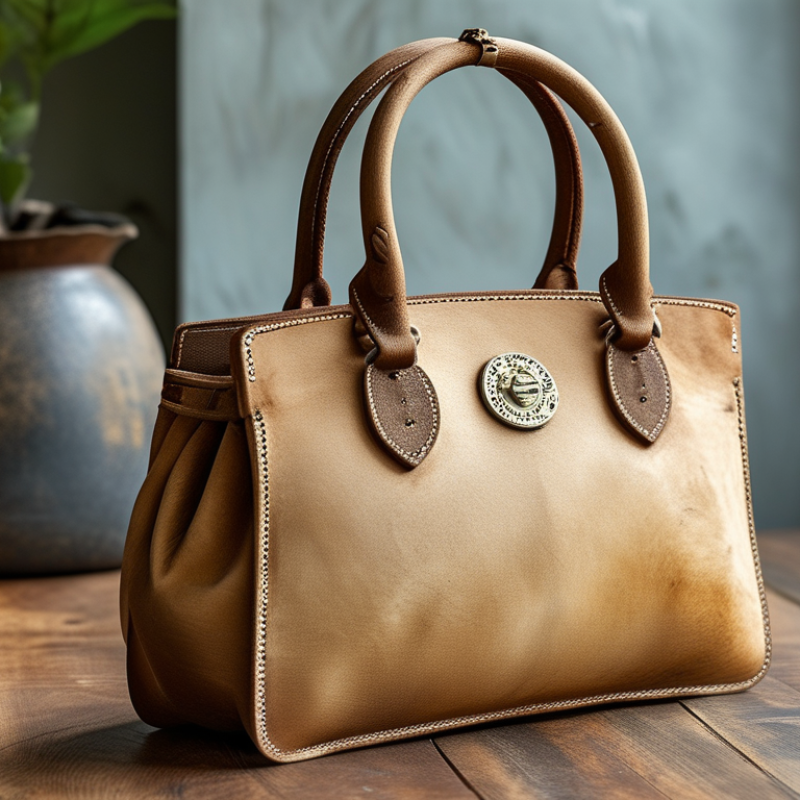
Understanding the Composition of Genuine Leather Bags
Genuine leather bags are made from animal hides. These hides undergo tanning, a vital process that enhances durability and aesthetics. According to the Leather & Hide Council, approximately 20 million animal hides are processed annually for various leather products. Genuine leather is known for its breathability. This natural material can adapt to temperature and moisture, providing comfort.
On the other hand, faux leather, often made from synthetic materials, lacks these natural properties. It may feel soft initially, yet it does not possess the same durability as genuine leather. A report by the American Society for Testing and Materials highlights that faux leather tends to degrade faster when exposed to sunlight. Moreover, while it can be cost-effective, the lack of lifespan invites reflection on long-term investment.
Understanding the composition is crucial for consumers. The quality of genuine leather does not solely depend on the type of hide used. Tanning processes vary widely and directly impact the final product. The finishing techniques can also affect the appearance and functionality. Engaging with suppliers who are transparent about their sourcing and processing is a key step in ensuring quality. This knowledge fosters better purchasing decisions that resonate with both style and sustainability.
Identifying Faux Leather: Materials and Manufacturing Processes
When distinguishing between genuine and faux leather bags, the materials and manufacturing processes play a crucial role. Faux leather commonly uses synthetic materials like polyurethane (PU) or polyvinyl chloride (PVC). These materials are designed to mimic the look of real leather but often lack the durability and breathability of their genuine counterparts. A deep dive into the production process reveals that faux leather bags are usually less labor-intensive. This can lead to inconsistencies in quality.
On the other hand, genuine leather is made from animal hides, typically processed through tanning. This process enhances durability and gives each bag a unique appearance. Genuine leather often develops a desirable patina over time, something that faux leather cannot replicate. However, the environmental impact of both materials is a topic worth reflecting on. As you explore your choices, consider the implications of each option. Subtle differences in texture and smell can also indicate authenticity. Trust your senses while making your decision.
Top 10 Differences Between Genuine and Faux Leather Bags
Durability and Longevity: Comparing Genuine and Faux Leather Bags
When comparing the durability and longevity of genuine and faux leather bags, one must consider several critical factors. Genuine leather, made from animal hides, usually boasts superior durability. Reports suggest that high-quality leather can last 10 to 20 years with proper care. However, the maintenance of genuine leather involves regular conditioning to prevent drying and cracking. Neglect can reduce its lifespan significantly.
On the other hand, faux leather bags offer a different set of challenges. While they tend to be less expensive, studies indicate they may last only 2 to 5 years. Faux leather is prone to wear and tear, often losing its appearance faster than genuine leather. It can crack, peel, or fade with exposure to elements. This material is also more sensitive to heat and humidity, exhibiting significantly diminished resilience over time.
Choosing between these materials hinges on lifestyle and factors like maintenance capabilities. Those who prefer low upkeep might lean towards faux leather, acknowledging its shorter lifespan. In contrast, individuals who value longevity may invest in genuine leather. However, personal experience shows that the choice often leads to reflections on long-term costs and environmental impacts.
Top 10 Differences Between Genuine and Faux Leather Bags - Durability and Longevity
| Aspect |
Genuine Leather |
Faux Leather |
| Durability |
Highly durable and can last decades with proper care. |
Less durable, typically lasts 5-10 years. |
| Maintenance |
Requires regular conditioning to maintain suppleness. |
Easy to clean, but can crack or peel over time. |
| Weather Resistance |
Water resistant, but can be damaged by excessive moisture. |
Generally more resistant to water, but can degrade in extreme conditions. |
| Look and Feel |
Natural texture and breathability. |
Can mimic look, but often lacks true texture and breathability. |
| Cost |
Generally more expensive due to sourcing and craftsmanship. |
More affordable, but quality may vary. |
| Environmental Impact |
Production can be resource-intensive and harmful to ecosystems. |
Often made from synthetic materials which are non-biodegradable. |
| Smell |
Distinct, natural leather smell. |
No natural smell; may have chemical odor when new. |
| Aging |
Ages beautifully, develops a patina over time. |
May look worn out as it ages, less aesthetic appeal. |
| Repairability |
Can be repaired by professionals if damaged. |
Difficult to repair; often needs complete replacement. |
| Ethical Considerations |
Animal welfare concerns; some prefer cruelty-free options. |
Considered more ethical by those against animal products. |
Aesthetic Differences: Texture, Appearance, and Color Varieties
When choosing between genuine leather and faux leather bags, aesthetics play a significant role. Genuine leather boasts a unique texture that can feel soft and luxurious. Its natural imperfections give each bag a distinct character. You may notice slight color variations and a natural sheen that enhances its elegance. Faux leather, on the other hand, often mimics the look of leather without the same depth. It can have a uniform appearance and a smoother texture, lacking that authentic feel.
Color varieties also differ. Genuine leather comes in various shades, influenced by dyeing processes that allow for rich, deep tones. Faux leather may have a wider range of bold colors but can sometimes feel artificial and less sophisticated. Pay attention to how these colors react under different lighting. Genuine leather ages beautifully, developing a patina over time. Faux leather can fade or crack, leading to a less attractive look.
Tips for selection: Always examine the texture closely. A genuine leather bag will feel warm and slightly textured. Faux leather often feels cool and slick. Additionally, consider your lifestyle. If you prefer durability and easy maintenance, faux leather might be practical. If you value craftsmanship and individuality, a genuine leather bag is worth considering. Remember to reflect on how you plan to use the bag.
Cost Analysis: Price Points and Value in Leather Bags
When considering leather bags, cost is a critical factor. Genuine leather bags usually come with a higher price tag. This is due to the quality and durability they offer. In contrast, faux leather bags are more affordable but may lack longevity. The price difference reflects the materials used and the craftsmanship involved in producing genuine leather.
When evaluating your budget, think about your needs. Will you use the bag daily? If so, investing in genuine leather might be worth it. It ages beautifully and can last for years. Faux leather, however, may show wear and tear quicker. Reflect on how often you’ll carry the bag and in what settings.
Tips: Always check the stitching and hardware of leather bags. High-quality genuine leather bags often feature sturdy stitching and durable zippers. If you’re leaning towards faux leather, opt for those with a more textured finish for a closer look to real leather. Analyze the cost-per-wear to determine value for money.
FAQS
: Genuine leather bags are crafted from animal hides that undergo tanning.
Genuine leather is more durable and breathable, while faux leather is synthetic and less long-lasting.
Tanning enhances durability and aesthetics, significantly affecting the final quality of the leather.
If you'll use the bag daily, genuine leather's longevity may justify its higher cost over time.
Examine the stitching and hardware. High-quality bags have sturdy stitching and durable zippers.
Faux leather is affordable but may wear out more quickly, requiring reflection on its long-term value.
Tanning methods and finishing techniques greatly influence the appearance and functionality of the leather.
Yes, working with transparent suppliers can help ensure better quality and informed purchasing decisions.
Consider the cost-per-wear to determine if your investment in a leather bag is worthwhile.
Faux leather may degrade faster and lacks the natural properties of genuine leather, encouraging reflection on long-term use.
Conclusion
When exploring what is the difference between genuine and faux leather bags, it's essential to understand their composition. Genuine leather is derived from animal hides, offering a natural feel and robustness. In contrast, faux leather is usually made from synthetic materials like polyurethane or PVC, often mimicking the appearance of real leather.
Durability and longevity are significant factors; genuine leather tends to age well and can last for decades with proper care, while faux leather may show signs of wear more quickly. Aesthetic differences also arise, as genuine leather boasts unique textures and variations in color, while faux leather offers a more uniform look. Lastly, when considering cost analysis, genuine leather bags often come with a higher price point due to their durability and craftsmanship, while faux leather provides an affordable alternative, appealing to different consumer preferences.

 Minyan Bag