Choosing a top waterproof leather bag from China takes more than comparing photos and prices. Leather can resist light moisture, but seams, zippers, and untreated edges may still let water in. The word “waterproof” is not a guarantee by itself. Ask what protection the maker means and how it was tested.
How to choose leather bags that are waterproof starts with the intended use. A commuter facing short walks in the rain needs different protection from a traveler carrying a bag through wet conditions for hours. Check the leather type, surface finish, lining, zipper construction, and seam treatment. Request close-up product images and clear specifications, not just lifestyle pictures. If available, ask for test details, care instructions, and a sample before placing a large order. A simple water-spray demonstration can offer clues, but it does not prove long-term performance.
Supplier checks matter, too. Review the company’s product range, communication, stated production capacity, and sample consistency. Confirm dimensions, hardware, packaging, and acceptable quality standards in writing. These steps help reduce surprises, though they cannot remove every risk. A sample may perform well while later units vary. That possibility deserves attention. Avoid choosing on price alone; low cost can hide thin finishes or weak construction. Compare like-for-like specifications and ask how the bag should be dried and maintained. Leather needs care. Even a well-made bag may not suit prolonged exposure to heavy rain, and honest limitations are part of a reliable buying decision.
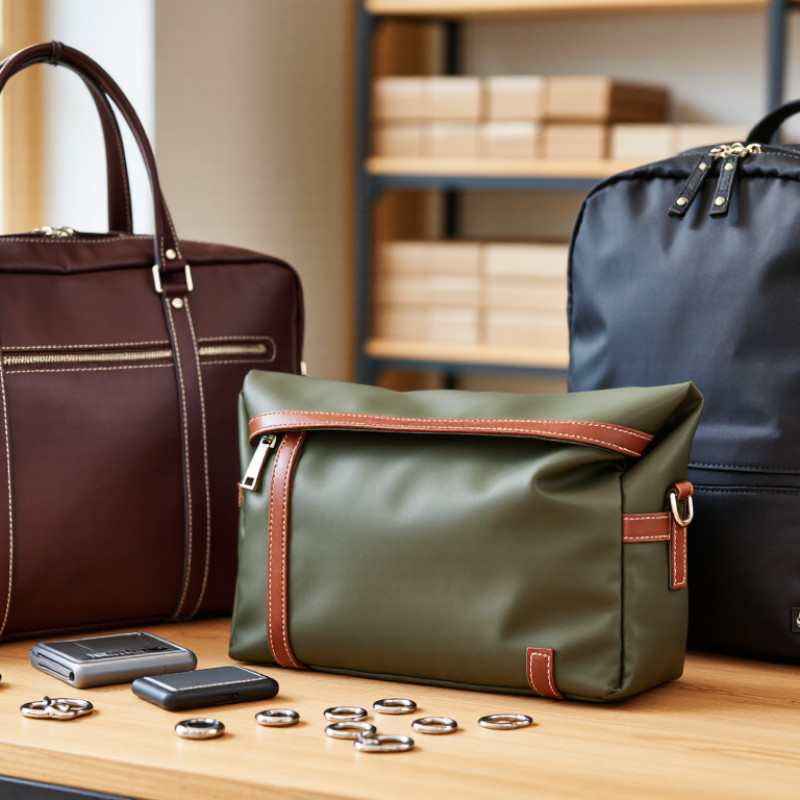
Start by defining what “waterproof” means for your daily use. A bag carried through brief city showers needs different protection from one used on a wet boat deck. For commuting, focus on treated leather, sealed seams, and a rain-resistant zipper cover. For heavier exposure, ask whether the lining and base also resist water.
No leather bag should be assumed safe for full submersion.
Think about what goes inside. Paper documents, a laptop, or spare clothes each call for a different level of protection. Check the sample with a damp cloth, then inspect stitching, edge paint, zipper ends, and the bottom corners for water entry.
Test it yourself. A surface that beads water may still leak through seams. When sourcing from China, ask the supplier for the leather treatment details and the exact test method, then compare samples under the same conditions.
That distinction matters. Strong coatings can alter the leather’s feel and appearance, while softer finishes may need more care. Decide which trade-off fits your use, and record your expectations before approving production.
Ask whether the bag uses full-grain, corrected-grain, or split leather. Request details about the leather layer, coating, and backing. “Genuine leather” alone is vague.
Waxed or oiled surfaces may repel light splashes, but seams and edges can still let moisture through. A clear topcoat may help, though heavy coating can feel stiff or look plastic-like. Not fully waterproof.
Put a few drops on separate leather swatches. Wait briefly, wipe them, and check for dark spots, swelling, or finish marks. Not a lab test.
Check the lining, zippers, stitching, and bottom panels. Look closely around stitched edges after light water exposure. Small details matter.
Request the test method, exposure time, and water volume. Ask whether testing covers the finished bag, not just a leather swatch. One sample cannot prove every bag will perform alike.
Request recent quality-control records and a written inspection checklist. Ask how the factory checks leather thickness, color consistency, stitching, and hardware. Production-line photos or video can help, but they are not proof.
Use matching specifications for leather grade, dimensions, hardware, packaging, and order quantity. Ask for sample fees and protective packing costs separately. A low unit price may leave something out.
Confirm its duration and whether defects qualify for repair, replacement, or credit. Record response times and quality-contact details in writing. A short test cannot predict years of wear.
Choosing a top waterproof leather bag from China starts with defining how and where you will use it. Consider the level of exposure to rain, the items you need to carry, and whether you need a lightweight everyday bag or a more rugged travel option. How to choose leather bags that are waterproof depends partly on the material: compare leather types and protective treatments, and ask how they balance water resistance, appearance, and long-term care.
Look closely at stitching, sealed or reinforced seams, lining, zippers, and other hardware, since construction affects how well a bag keeps moisture out. When evaluating suppliers in China, review their quality-control practices and manufacturing standards, then request samples to assess workmanship and performance yourself. Compare quotations alongside minimum order quantities, warranties or guarantees, delivery terms, and after-sales service. A careful review of materials, construction, supplier reliability, and sample quality can help you select a bag suited to your needs and budget.

 Minyan Bag