7 Best Ways to Compare Leather Bag Brands

Time:2026-11-01 Author:Amelia
0%

Choosing a leather bag is not just a style decision. It is a comparison of materials, construction, service, and value over time. Bain & Company’s 2024 luxury study estimated that the global personal luxury goods market reached €364 billion that year. That figure covers more than bags, so it cannot prove which brand makes the best leather. It does show why brand reputation alone is a poor shortcut.

How to compare different leather bag brands begins with details you can inspect. Check the leather’s grain and thickness, run a finger along the painted edge, and look for even stitching where handles meet the body. Then compare lining, hardware, repair options, warranty terms, and the bag’s weight when empty. Bain partner Claudia D’Arpizio’s market analysis offers a useful principle, paraphrased here: “Look beyond the logo; compare lasting value.” This is a paraphrase, not a verbatim quotation.

Ask how the bag may age. A soft leather tote can develop marks quickly; a structured bag may hold its shape but feel heavier. Read care guidance and check whether replacement straps or repairs are available. Compare prices against likely years of use, not just the sale tag. Still, no checklist removes personal preference. I might favor a beautifully finished handle over a famous label—and later regret the weight. Small trade-offs matter. The guide ahead offers seven practical ways to compare brands, with close attention to the bag in your hands.
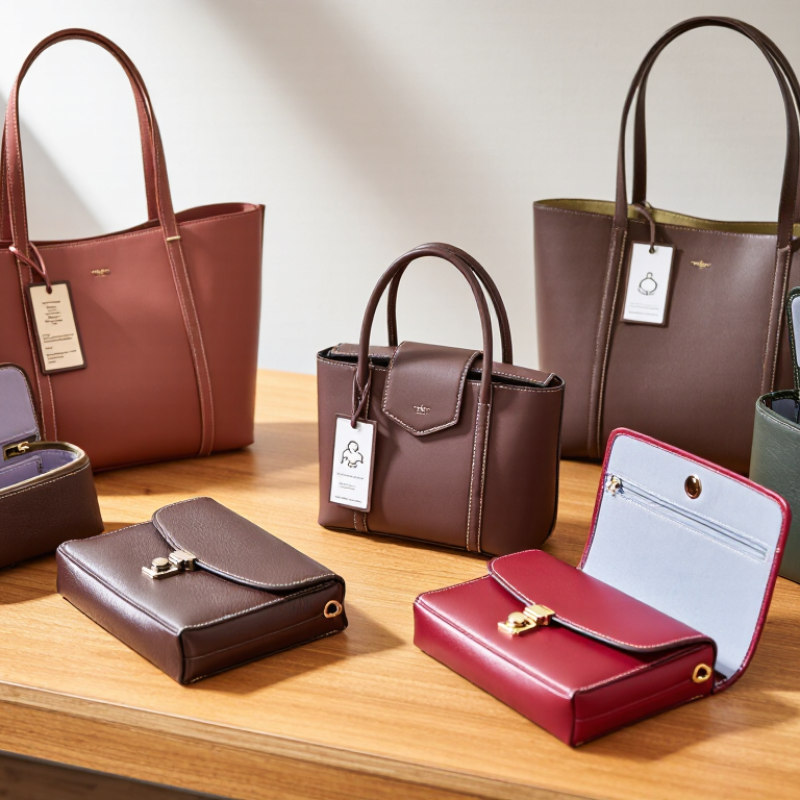
7 Best Ways to Compare Leather Bag Brands

Define the Criteria for Comparing Leather Bag Brands

Before comparing leather bag brands, define what the bag must do in your daily life. A crowded commute calls for different features than occasional evening use. Note your budget, preferred size, carrying style, and likely contents. Keep it practical. Compare leather descriptions carefully: grain, surface finish, thickness, and tanning can affect feel and wear. A label by itself tells you little; check whether the seller explains the material used in that specific bag.

Examine construction in person when possible. Look at stitch spacing around handles, corners, and strap attachments, where strain tends to collect. Check whether the edges feel smooth and evenly finished. Open and close the zipper several times; it should move without snagging. Then lift the bag with a few items inside. Does the strap dig into your shoulder? Is the empty bag already heavy? Small details matter.

It is easy to overvalue a polished appearance. A glossy finish may hide surface variation, while natural marks can be mistaken for poor quality; neither tells the whole story. Compare care instructions, repair options, and warranty terms, and check whether those details are clearly stated. Consider how the leather may change with use, including creasing or darkening. Some comparisons remain subjective, especially around softness and patina, so record what you notice rather than relying on a single score.

Assess Leather Quality, Sourcing, and Durability

When comparing leather bag brands, inspect the material, not just polished product photos. Full-grain leather often retains natural marks, while corrected surfaces may look more uniform. Neither appearance tells the whole story. Rub a sample gently with a clean, dry cloth and check for color transfer. Look at cut edges, too; fuzzy fibers or peeling coatings may point to weaker finishing.

Tips: Ask where the leather comes from, how it is processed, and whether the maker can explain its sourcing standards. Specific answers are more useful than broad claims. A pause or vague reply is worth noting.

For durability, examine stitching around handles and corners, where daily strain tends to show. Seams should look even, with no loose threads. Test zippers and clasps several times, then check whether the bag keeps its shape when lightly loaded. Compare care instructions and repair support alongside any warranty. I used to judge bags by thick leather alone; that was too simple. Construction and maintenance matter just as much, and real wear can still surprise you.

Compare Craftsmanship, Hardware, and Construction

A leather bag can look polished in a photograph and feel very different in your hands. Compare stitching along handles, corners, and pockets, where stress often reveals uneven spacing or loose threads. The stitches should sit consistently without puckering the leather. Check how the edges are finished, too: smooth, sealed edges usually resist everyday rubbing better than rough, exposed layers. Small details matter.

Hardware deserves a close look. Open and close each zipper, then test clasps and buckles without forcing them. They should move smoothly and feel secure, not rattly. Heavier hardware is not automatically better; its finish, attachment, and balance matter more. Examine where metal meets leather for neat seams and reinforcement. Also inspect the lining and interior pockets. These are easy to overlook, yet they shape daily use. A stiff new bag may soften, but an awkward zipper placement probably will not.

Tips: Compare similar bag sizes and styles, and handle each one if possible. Look inside, check the base, and gently test the handles. Note what feels sturdy and what merely looks impressive. One detail can be easy to miss: a beautifully finished exterior does not guarantee tidy construction inside.

7 Best Ways to Compare Leather Bag Brands

Suggested 100-point evaluation rubric, not brand ratings or laboratory test results. Compare bags by checking leather quality, stitch consistency, edge finishing, hardware, reinforced stress points, lining and seams, and repairability.

Evaluate Design, Functionality, and Brand Reputation

Compare leather bag brands by examining how design choices support everyday use. Look closely at stitching, edge finishing, lining, and how the handles attach to the body. Small flaws show up clearly near seams. Check whether the bag stands upright when empty, and whether its opening feels practical with one hand. A beautiful shape may not suit a crowded commute. Try the zippers, adjust the strap, and place a phone and wallet inside; notice whether the weight pulls awkwardly. Leather can soften with use, but care needs vary by finish, so check the maker’s guidance rather than assuming every surface behaves alike.

Brand reputation is best judged through evidence, not polished marketing. Look for clear material descriptions, specific care instructions, and accessible information about repairs or warranty coverage. Read recent customer feedback across more than one source, paying attention to repeated comments about stitching, color transfer, or hardware wear. One complaint proves little; a consistent pattern matters more. It is easy to overvalue a famous name or a flawless product photo. I would also compare the price with the construction and service offered, while admitting that style is personal and leather ages unpredictably. A careful comparison should leave room for both practical needs and taste.

Weigh Pricing, Warranty Coverage, and After-Sales Service

A bag’s price tells only part of the story. Compare similar sizes, leather types, lining, and hardware before judging value. A small crossbody and a roomy work tote are not fair comparisons. Check the final cost, including delivery, taxes, and any repair fees. A discount can look appealing, but only if the bag suits your daily use. Feel the handles and inspect the stitching in person when possible. Photos can hide uneven seams.

Read warranty terms before buying. Check how long coverage lasts, what proof of purchase is required, and whether stitching or hardware failures are included. Normal wear, stains, and accidental damage may be excluded. Keep the receipt. Also, see how after-sales service works: Can you ask a real person about a repair? Is there a clear response time and return process? Save written answers. A polite reply is helpful, but a specific repair plan matters more. I still find these policies hard to compare; wording can be vague, and that deserves a second look. Ask about likely repair costs before deciding. A slightly higher price may be worthwhile if support feels dependable.

FAQS

What should I decide before comparing leather bags?

Consider your daily routine, budget, preferred size, and usual contents. A crowded commute may need different features than evening use.

How can I assess the leather itself?

Check the material description, surface, thickness, and cut edges. Natural marks do not automatically mean poor quality. Neither does a glossy finish prove strength.

What signs suggest careful construction?

Look for even stitching near handles and corners, smooth edges, and seams without loose threads. Small details matter.

How should I test zippers and hardware?

Open and close them several times. They should move smoothly and feel secure, not rattly. Do not force them.

What should I check when carrying a bag?

Add a few items and lift it. Notice whether the strap digs into your shoulder or the bag feels heavy while empty.

Does thick leather mean a bag will last longer?

Not by itself. Construction, care, and repair support matter too. I once judged bags by thickness alone; that was too simple.

How can I ask about leather sourcing?

Ask where the leather comes from and how it is processed. Specific explanations are more useful than broad claims. Vague replies are worth noting.

What should I consider about a bag’s appearance over time?

Leather may crease or darken with use. Compare care instructions and warranty terms, but remember that softness and patina are partly subjective. Note what you see.

Conclusion

Choosing the right leather bag starts with defining what matters most to you, such as everyday practicality, long-term durability, or a particular style. How to compare different leather bag brands comes down to looking beyond appearance: assess the leather’s quality, origin, and ability to age well, then examine stitching, edge finishing, hardware, and overall construction for signs of careful craftsmanship.

Next, consider whether the design and features suit your routine, and weigh the brand’s reputation alongside its price. A higher cost may be worthwhile when supported by durable materials, reliable warranty coverage, and responsive after-sales service. Comparing these factors together helps you make a balanced choice based on quality, function, and value rather than relying on appearance alone.

Amelia

Amelia

Amelia is a seasoned marketing professional with a wealth of expertise in our company’s core offerings. With an unwavering passion for driving growth and innovation, she plays a pivotal role in shaping our marketing strategies and enhancing brand visibility. A key aspect of her responsibilities......