A leather bag’s shape depends on more than its stitching. Daily weight, damp surfaces, and long periods of careless storage can gradually stretch panels or soften corners. Even a sturdy tote may begin to slump when heavy items press against one side. Small habits matter. Knowing How to maintain the shape of leather bags starts with noticing how a particular bag is built and used. Structured satchels, soft shoulder bags, and delicate clutches do not need identical care. Leather also responds differently to moisture, heat, and handling, so one rigid routine may not suit every finish.
A practical approach is simple: empty the bag after use, store it upright, and support its shape with clean, breathable stuffing. A soft cotton cloth or acid-free tissue can help; avoid overfilling, which may strain seams and distort the leather. Keep the bag away from direct sunlight, radiators, and damp closets. If it gets wet, blot it gently and let it dry naturally, rather than using a hair dryer. Check the care label, and ask the maker or a qualified leather-care professional when the finish is unfamiliar. There is no perfect trick. I have found that stuffing can help, but too much makes a bag look unnaturally stretched. This guide explores storage, everyday handling, and sensible cleaning choices, while recognizing that some creases are part of a bag’s character—not damage that must always be removed.
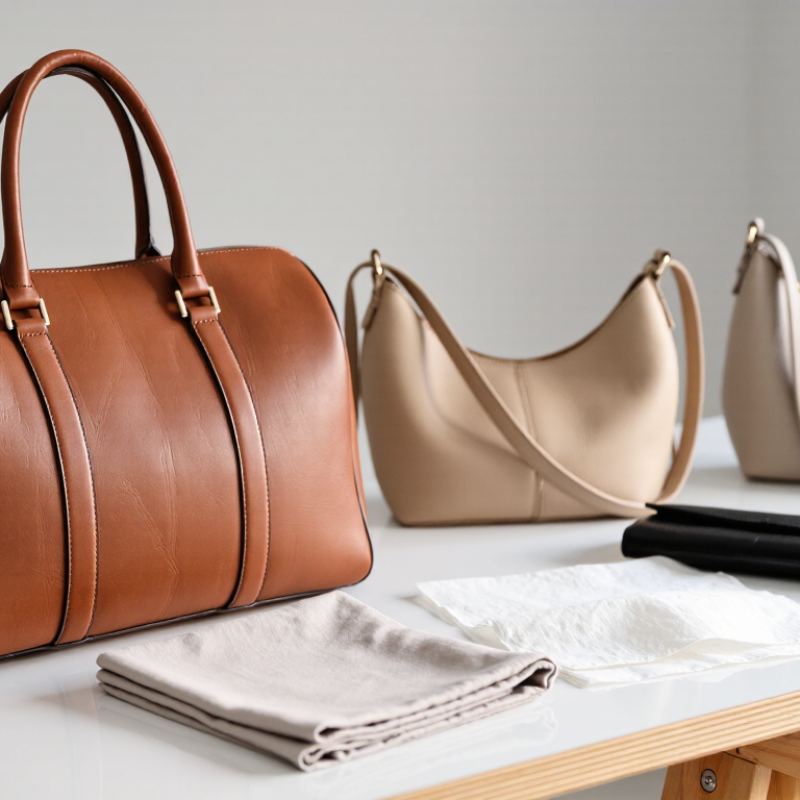
Factors That Cause Leather Bags to Lose Their Shape
What Is the Best Way to Maintain Leather Bag Shape?
Factors That Cause Leather Bags to Lose Their Shape
Leather bags change shape when their materials face repeated stress. Heavy contents pull down on the base and stretch the handles, especially when the bag hangs from one strap for long periods. Small loads matter. A water bottle, charger, and keys can press into the same soft corner day after day. When a bag is left empty without support, its sides may fold inward and develop lasting creases. I have sometimes blamed the leather alone, when my packing habits were the bigger cause.
Moisture and heat also affect leather’s flexibility. Damp conditions can soften leather and make it easier to distort under weight; prolonged heat may dry it and make creases harder to relax. ISO 2419:2012 conditions leather test samples at 23 ± 2°C and 50 ± 5% relative humidity. These are controlled testing conditions, not a guarantee for home storage, but they show why temperature and humidity matter when assessing leather. Abrupt changes are worth avoiding. A bag stored beside a heater or in a humid closet may gradually lose its structure, even without obvious damage. Stiff internal panels and seams can weaken too, particularly when the bag is repeatedly overfilled or squeezed into a crowded shelf. I still find it easy to overpack. That pressure adds up.
What Causes Leather Bags to Lose Their Shape?
Relative shape-loss risk by common care factor (illustrative index from 1 = lower risk to 10 = higher risk).
How to help maintain shape: Avoid overloading your bag, store it upright with gentle support inside, and keep it away from prolonged heat and moisture. Empty the bag before storage, and avoid hanging it by its handles for long periods.
How to Prepare a Bag for Shape Maintenance
Before shaping a leather bag, empty every pocket and remove detachable straps. Check the lining for crumbs, then wipe dust away with a clean, dry, soft cloth. If the bag feels damp, let it air-dry at room temperature. Do not use a hair dryer or place it near a radiator. Heat can dry leather unevenly and leave stiff patches. Keep it simple.
Choose support that follows the bag’s natural contours. Loosely fill the body with unprinted, acid-free tissue, adding small rolls beneath handles or around soft corners. Avoid paper with ink, which may transfer color. Not stuffed tight. Overfilling can stretch seams and make the bag look unnaturally swollen. A clean cotton pillowcase can shield the surface from dust while allowing some airflow.
Check the storage space before putting the bag away. The Canadian Conservation Institute’s preventive-conservation guidance recommends stable conditions for leather; its suggested relative humidity range is about 45–55%. A small hygrometer can help you spot a persistently damp closet. The National Park Service’s museum-care guidance also stresses avoiding direct sunlight and sharp environmental changes. Keep the bag upright on a shelf, not hanging by its handles. I sometimes find the tissue shifts after storage, so check the shape gently every few weeks and adjust it without forcing the leather.
Choosing Safe Materials to Support the Bag
To support a leather bag safely, use clean, dry, undyed materials that will not leave ink or color behind. When the bag is empty, loosely fill it with acid-free tissue or a clean cotton pillow insert. Shape the sides gently; do not force the corners outward. Enough, not pressure. Overstuffing can stretch seams and soften the silhouette, especially during long storage. Skip newspaper, colored paper, and scented sachets, which may transfer pigment, oil, or fragrance to the lining.
Choose breathable support rather than sealing the bag inside plastic. Trapped moisture can encourage mildew, while very dry air may leave leather brittle; a cool, stable room is preferable. If you use a shaped insert, check that its edges are smooth. Rub a hidden area with a white cloth to check for color transfer. Check the support occasionally, and remove it if it presses against handles or creates bulges. Leather varies in thickness and construction, so one insert will not suit every bag. A slightly uneven fill may look less neat; still, forcing symmetry can put unnecessary strain on the leather.
How to Stuff and Store a Leather Bag Properly
What Is the Best Way to Maintain Leather Bag Shape?
How to Stuff and Store a Leather Bag Properly
Start with a clean, completely dry bag. Empty every pocket, then gently wipe away dust with a soft cloth. Stuff the main compartment with acid-free tissue paper or a clean, undyed cotton cloth. Add small rolls to the corners so they stay supported without bulging. Avoid newspaper, which can transfer ink, and skip heavy objects that may stretch the leather.
A gentle fill is enough. The material should support the bag’s shape, not force it wider. Check the sides and base as you stuff; if they look strained, remove some filling. Close zippers or clasps loosely, and let handles and straps rest naturally rather than folding them sharply. This detail is easy to miss.
Store the bag upright on a shelf, away from direct sunlight, heaters, and damp walls. A breathable cotton dust bag helps keep off dust while allowing air to circulate. Avoid plastic covers and tightly sealed containers, which can trap moisture. Leave space around the bag so other items do not press against it. Check it every few weeks, especially in humid weather, and replace any tissue that feels damp or has become compressed.
What Is the Best Way to Maintain Leather Bag Shape? — How to Stuff and Store a Leather Bag Properly
| Step |
What to Do |
Recommended Materials or Conditions |
What to Avoid |
| 1. Prepare the bag |
Empty every pocket, remove accessories, and make sure the bag is clean and completely dry before storing it. |
A clean, dry, well-ventilated area; a soft cloth for removing surface dust. |
Storing a damp bag or leaving heavy items inside, which can encourage mildew or distort the leather. |
| 2. Choose gentle stuffing |
Loosely fill the main compartment so the bag keeps its natural outline without being stretched. |
Acid-free tissue paper or a clean, undyed cotton cloth. |
Overfilling, sharp objects, or printed paper that could transfer ink or leave pressure marks. |
| 3. Support the structure |
Add light support to soft sides and corners, and close zippers or fasteners without forcing them. |
Small, soft bundles of tissue placed where the bag naturally creases. |
Hard forms or tight packing that push the leather outward or strain seams and closures. |
| 4. Position handles and straps |
Arrange handles naturally over or beside the bag. Detach removable straps when possible, or lay them loosely without sharp bends. |
A shelf with enough clearance to prevent handles from being trapped or compressed. |
Hanging a filled bag by its handles for long periods or folding straps tightly against the leather. |
| 5. Cover and store |
Place the bag upright on a flat shelf and cover it to protect it from dust while allowing airflow. |
A breathable cotton or other fabric dust cover; a cool, dry cupboard away from sunlight. |
Airtight plastic bags, damp rooms, direct sunlight, radiators, and other heat sources. |
| 6. Check periodically |
Inspect the bag occasionally, air it out if needed, and adjust the stuffing if the shape begins to slump. |
A quick visual check every few weeks, especially during long-term storage. |
Leaving the bag compressed under other items or ignoring signs of moisture or mildew. |
Quick rule: Use light, breathable stuffing, store the bag upright, and keep it away from moisture, pressure, and direct heat.
Daily Habits That Help Preserve Bag Shape
What Is the Best Way to Maintain Leather Bag Shape?
Daily Habits That Help Preserve Bag Shape
Leather bags hold their shape best when daily use does not force them to carry too much. Before setting yours down, remove receipts, keys, and other heavy items that collect at the bottom. This reduces sagging and helps prevent the handles from pulling unevenly. At home, stand the bag upright on a clean, level shelf, away from direct sunlight and heaters. Heat can dry leather, while strong light may fade its color. Give it room.
When the bag is not in use, gently fill it with acid-free tissue or a clean, soft cotton cloth. Add enough support to keep the sides upright, but do not pack it tightly; pressure can stretch seams. Fasten closures loosely, and let straps rest naturally instead of folding them sharply. A breathable dust cover helps limit dust, while plastic may trap moisture. It is easy to overlook the straps. They can hold a crease longer than expected.
Tips: Rotate bags if you use one every day. Wipe away surface dust with a soft, dry cloth, and check for dampness before storing. If the bag starts leaning, adjust its support rather than forcing it back into shape.
Conclusion
How to maintain the shape of leather bags begins with understanding what can distort them. Excess weight, prolonged pressure, moisture, heat, and being left empty for long periods may cause a bag to sag or develop creases. Before storing it, empty every pocket, fasten closures, and gently wipe away dust so the bag is clean and ready for support.
Choose clean, soft, acid-free stuffing or a purpose-made insert that will not scratch or stretch the leather. Fill the bag lightly and evenly, supporting its sides and base without forcing them outward. Store it upright in a cool, dry place, away from direct sunlight and heavy objects. Everyday habits also matter: avoid overloading the bag, set it down carefully, and alternate its use when possible. With gentle handling and consistent storage, a leather bag is more likely to retain its natural shape over time.

 Minyan Bag