In 2026, leather bags range from compact crossbody styles to structured work totes and relaxed shoulder bags. The right choice depends less on a trend and more on how you move through an ordinary day. Consider what you carry, how often you travel, and whether you need quick access to a phone, keys, or documents. A bag that looks polished online may feel heavy after a commute. Details matter.
How to choose leather bags that match your style starts with checking both design and construction. Look at the leather description, stitching, edge finishing, lining, hardware, and closure. Full-grain and corrected-grain leathers can differ in appearance, feel, price, and care needs, so read product specifications rather than relying on labels alone. Check dimensions against items you actually carry; a laptop compartment, for example, should fit your device with room to spare. Fit matters.
Your wardrobe is another useful guide. A black or brown bag may work across many outfits, while a brighter color can add character but may get less frequent use. Think about handle drop, strap adjustment, weight, and pocket placement before choosing. These small features shape comfort more than photos suggest. Leather also changes with use, and maintenance requirements vary by finish. Not every mark is a flaw, but care instructions deserve attention. Trends will shift, and no single style suits every routine. Revisit your priorities before buying, especially if the bag is meant for daily use.
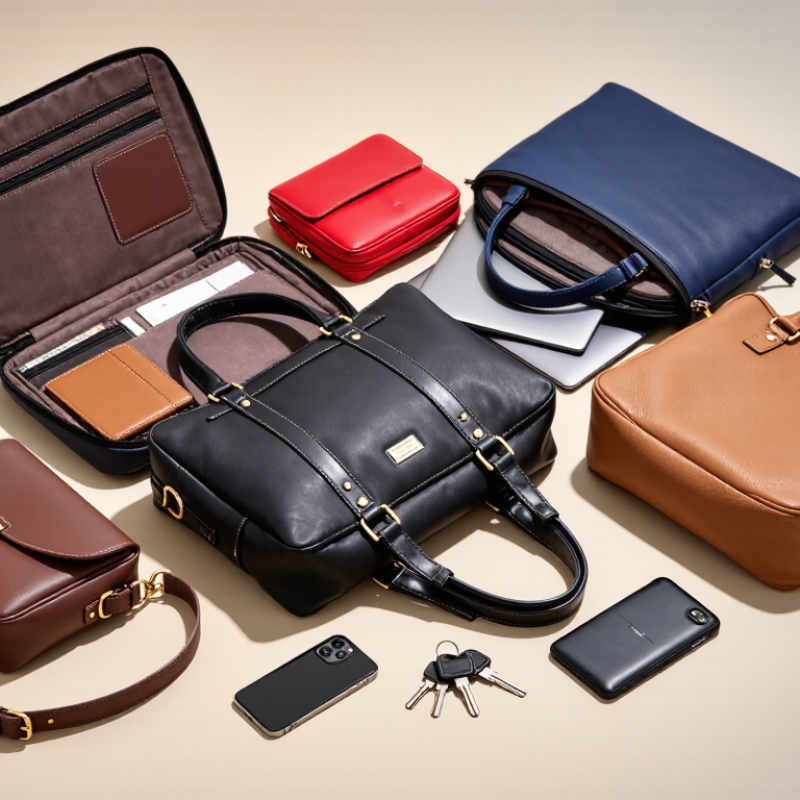
In 2026, choosing a leather bag should begin with your real schedule, not a passing trend. Track what you carry for three ordinary days. A phone, keys, cardholder, charger, notebook, and sunglasses need less room than a laptop and lunch container. Measure your largest item before shopping. A bag that looks elegant but strains its seams will age badly. It happens.
Rank capacity first, then carry comfort, then appearance. For office travel, a structured medium bag may hold a 13-inch laptop, documents, and a slim bottle. For errands, a compact crossbody keeps both hands free and reduces shoulder pressure. Check strap width, handle drop, weight, and closure security in person. Fill the bag with similar items and walk for ten minutes. Leather can soften, but excessive weight will not disappear. I once chose extra space and rarely used it.
Daily use should guide the leather finish and construction. Smooth leather shows scratches quickly, while textured grain can hide small marks. Look for even stitching, reinforced stress points, and lining that does not catch zippers. Ask whether the care instructions fit your routine. A beautiful bag needing constant attention may become frustrating. Leave room for imperfect days. The right choice should still feel reasonable on a rushed Tuesday.
A tote suits days when you carry a water bottle, notebook, and light sweater. Its wide opening makes items easy to reach, but smaller objects can disappear at the bottom. Choose a firm base and interior pockets if you commute. Too much structure, though, can make a full tote feel heavy.
Shoulder bags keep essentials close and often fit neatly under an arm. Check the strap drop while wearing a coat; a comfortable strap in summer may feel tight over winter layers. Crossbody styles distribute weight more evenly and leave both hands free. They work well for travel or errands, but a bulky bag can bump your hip as you walk. Keep it compact.
Satchels usually have a defined shape, a flap or zipper, and a top handle, often with an optional shoulder strap. That structure helps protect papers and keeps the bag looking orderly. Top-handle bags feel polished and are easy to lift onto a chair, yet carrying one for a long walk can tire your hand. Try the loaded bag before choosing. Leather softens with use, but it will not fix a poor fit. And preferences change. A style that looks right in a mirror may feel awkward after an hour.
Compare common style tendencies for hands-free convenience, quick access, and a structured look. Ratings are general editorial guides on a 1–5 scale, not standardized measurements; individual designs can vary.
Choose a crossbody for hands-free carrying, a tote for easy access, or a satchel or top-handle style for a more structured appearance. Consider the bag’s actual strap, closure, size, and construction before buying.
For a 2026 leather bag, learn what the surface tells you. Full-grain leather keeps the hide’s natural outer grain, including small scars and uneven pores. It often develops a deeper patina with use, but marks are not proof of quality by themselves. Look closely at the grain and seams. Top-grain leather also comes from the outer hide, but its surface is sanded or treated for a more uniform appearance. It can suit everyday bags when you prefer a consistent finish. Ask how the surface was finished, since coatings affect feel and aging.
Corrected-grain leather is more heavily altered to reduce visible flaws, often with an embossed pattern or pigment coating. Split leather comes from the lower layers of the hide; it may be finished to resemble other leathers, so check the product description rather than relying on appearance alone. FAO’s 2023 World Statistical Compendium for Raw Hides and Skins, Leather and Leather Footwear reports data spanning 1990–2022. Those figures track industry materials and production, not the durability of an individual bag. That distinction matters. I’d compare the leather description with the actual edge, lining, and stitching; labels alone can leave questions unanswered. A close inspection helps.
Leather thickness affects how a bag feels, folds, and holds its shape, but thicker is not automatically better. Ask for thickness measured under ISO 2589, which uses a defined pressure and measuring method. Compare readings from similar areas, away from seams, folded edges, and hardware. A thin gusset may flex comfortably, while a thicker base can resist sagging. Small details matter. Still, one measurement cannot predict durability; hide structure, construction, and lining also play a part.
Check surface color transfer with a rub-fastness test, such as ISO 11640. The test rubs leather with felt under controlled conditions, often dry and wet. Request both results, the number of cycles, and the rating scale. On a common 1–5 grey scale, 5 signals little visible change or staining, while 1 signals a poor result. Ask what was rated: the leather’s color change, the felt’s staining, or both. A bag may score well dry and less well after damp rubbing. That difference is useful, not a reason to panic. These tests offer evidence, not a perfect forecast of years of use. Check the sample in daylight, too; the result can feel less reassuring when a pale cloth meets a dark finish.
For a leather bag, inspect the seams where handles meet the body and where corners take daily friction. Stitching should look even, with no loose ends or skipped holes. Gently pull the handle; movement at the join deserves attention. Check that clasps close cleanly and metal parts do not wobble. A polished finish can hide weak construction. I sometimes overvalue perfect-looking leather, though, and miss the stress points.
Care needs depend on the leather’s finish. Ask for specific cleaning and conditioning instructions before buying. Smooth, coated leather may tolerate light wiping, while absorbent finishes can mark with water or oils. Avoid assuming one conditioner suits every hide. Small scratches happen. Decide whether you can live with them, or budget for professional care.
Ownership cost is more than the ticket price: include cleaning, storage, and likely repairs, then divide by realistic years of use. The ThredUp 2025 Resale Report, prepared with GlobalData, says the U.S. secondhand apparel market grew 14% in 2024. That figure covers apparel, not handbags, so it is context—not a resale guarantee. Still, clear care records and repairable construction may help preserve options. A low price can become expensive if a handle needs early replacement.
Compare construction, hardware, care requirements, and estimated five-year ownership cost before choosing a bag for everyday use.
| Bag Style | Best For | Stitching and Construction to Check | Hardware Considerations | Care Needs | Typical Purchase Range (USD) | Estimated 5-Year Ownership Cost (USD) |
|---|---|---|---|---|---|---|
| Tote | Work, shopping, and carrying larger daily essentials. | Check handle attachment points, reinforced seams, and whether the base holds its shape. Handles should be securely stitched or reinforced at stress points. | Fewer moving parts usually mean less to maintain. Inspect magnetic closures, feet, and any shoulder-strap rings for secure fastening. | Use a bag insert to reduce interior wear. Keep it dry, wipe surface dirt promptly, and store it upright or lightly stuffed. | $150–$600 | $220–$850 |
| Satchel | Organized daily carry, commuting, and occasions that call for a structured shape. | Look for even seams around the flap and gussets, tidy edge finishing, and reinforcement where the handle and strap attach. | Check that buckles, turn-locks, and strap clasps operate smoothly. More hardware can add weight and may need occasional tightening or repair. | Keep the shape supported when stored. Condition only when the leather appears dry, following the care guidance for its finish. | $180–$700 | $270–$1,000 |
| Crossbody | Hands-free errands, travel, and carrying a compact set of essentials. | Inspect strap stitching and attachment tabs closely; these points carry repeated pulling force. A secure lining and reinforced corners help limit wear. | Test clips and rings for smooth movement and secure closure. Plated finishes can show wear over time, especially with frequent contact. | Avoid overloading the strap. Keep the bag away from prolonged rain, and clean marks gently rather than scrubbing the surface. | $120–$500 | $180–$720 |
| Shoulder Bag | Everyday use when quick access and a close-to-body carry are priorities. | Check the strap’s underside, seams at the strap ends, and the top opening. A well-finished edge can help reduce fraying and cracking. | Review zipper tracks, sliders, and strap adjusters. Make sure closures line up without forcing them. | Rotate use with another bag if worn daily. Store away from direct sunlight and avoid hanging it by a narrow strap for long periods. | $150–$650 | $230–$920 |
| Backpack | Commuting, study, and carrying heavier loads with both hands free. | Prioritize reinforced shoulder-strap anchors, strong seams around the base, and secure stitching at compartment openings. Check padding and lining for consistent attachment. | Test zippers under light pressure and inspect buckles and adjusters. Multiple compartments mean more components that may eventually need attention. | Do not exceed a comfortable load. Empty crumbs and debris regularly; air-dry naturally if damp and avoid placing it on rough or dirty surfaces. | $180–$800 | $280–$1,150 |
| Briefcase | Documents, a laptop, and professional daily commuting. | Check handle reinforcement, corner construction, and seams around the frame or opening. A padded compartment should be firmly secured to the lining. | Inspect locks, zippers, hinges, and metal feet. Ensure closures align and work without sticking; added structure can make repairs more specialized. | Use a protective sleeve for electronics. Keep the case dry, store it upright, and avoid overfilling compartments that strain the seams. | $250–$1,000 | $380–$1,450 |
Cost note: Purchase and five-year ownership figures are broad illustrative USD estimates, not quotes. The ownership estimate includes the purchase price plus a modest allowance for routine care and possible minor repairs; actual costs depend on leather type, construction, frequency of use, local repair rates, and storage conditions. Full-grain leather is not automatically more durable in every design, so assess the finished construction and intended use as well as the leather label.
A tote fits a water bottle, notebook, and light sweater. Choose a firm base and interior pockets. Small items can still vanish at the bottom.
They spread weight more evenly and keep both hands free. Keep the bag compact; a bulky one may bump your hip while walking.
Try the strap over a coat, not just a thin shirt. A top-handle bag can feel polished but tire your hand on long walks. Test it loaded.
Full-grain keeps more of the hide’s natural surface, including uneven pores or small scars. Top-grain is sanded or treated for a more uniform finish. Ask about coatings.
Yes. Corrected-grain may have an embossed pattern or pigment coating, while split leather comes from lower hide layers. Check the product description, not appearance alone.
Look closely at handle joins, corners, and seams. Stitching should be even, without loose ends or skipped holes. Gently pull the handle. Check that clasps close cleanly and metal parts do not wobble.
Ask for cleaning and conditioning guidance for that specific finish. Some smooth, coated leather may handle light wiping; absorbent finishes can mark with water or oils. One conditioner may not suit every hide.
Add the purchase price, cleaning, storage, and likely repairs. Divide that amount by realistic years of use. I sometimes focus too much on flawless leather and miss weak handle joins.
No. A low-priced bag can become costly if its handle needs early replacement. Repairable construction and clear care records may preserve options, but resale value is uncertain. Small scratches happen.
Choosing a leather bag in 2026 starts with your own routine. Decide how much you need to carry, how comfortable the bag must feel, and how often you will use it. A tote can suit larger loads, while shoulder and crossbody bags offer different ways to carry everyday essentials. Satchels and top-handle styles provide other options for work or occasions. How to choose leather bags that match your style comes down to balancing practical needs with the shape and look you enjoy.
Next, compare leather types: full-grain, top-grain, corrected-grain, and split leather can differ in appearance, durability, and care requirements. Check thickness using ISO 2589 information where available, and assess rub fastness on a 1–5 scale. Examine stitching and hardware for sound construction, then consider cleaning, conditioning, and repair needs. Looking at these factors together helps you estimate long-term cost of ownership and choose a bag that fits both your lifestyle and budget.

Minyan Bag